Plumbing is a system of pipes and fixtures that facilitates water supply and waste disposal in buildings. It is regulated by national and local laws to ensure safety and efficiency.
Whether you need to calculate the pipe size for your new sink or get advice on how to make your home more energy efficient, you’ll find it all here.
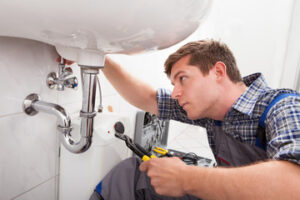
Plumbing is the system of pipes and fixtures that deliver clean water to households and remove wastewater, ensuring hygiene, safety, and health. Plumbers install, repair, and maintain these systems in homes, buildings, and industrial facilities. They use specialized tools to unclog drains and pipes, repair leaks, and install new fixtures and appliances. They must also be knowledgeable about building codes and regulations. Plumbers often work in residential settings, but they may also be employed in commercial and industrial buildings.
A home’s plumbing system consists of a water meter and water main, valves that control the flow of water, and supply lines that carry freshwater to sinks, bathtubs, showers, dishwashers, clothes dryers, and other household appliances. A drain line carries wastewater away from toilets, sinks, and other fixtures into the sewer or septic tank. A home’s plumbing system also includes a water heater, which heats and stores water for use throughout the house. Valves, faucets, and other fittings connect the different parts of the plumbing system and control the flow of water.
While most people take the plumbing in their homes for granted, it’s actually a complex and essential system. Plumbing ensures that freshwater is always available for drinking and cooking, and that wastewater is quickly and efficiently removed. Without a properly functioning plumbing system, homes and businesses would experience flooding, water contamination, and health hazards.
Local regulations significantly impact the plumbing industry. These laws dictate the materials that can be used, installation methods, and standards for water efficiency. They also establish specific requirements for plumbing in drought-prone areas and seismic safety in earthquake zones. Plumbers must adhere to these regulations to ensure the public’s health and safety.
In addition to installing and maintaining plumbing systems, plumbers must also be familiar with gas lines. These are typically installed in homes and businesses with gas stoves, ovens, and heating systems. In these cases, plumbers must be able to detect and fix problems caused by gas leaks.
While the career of a plumber involves some risk, it can be rewarding and satisfying. US News ranked it as the 4th best construction job and reports that most plumbers enjoy good work-life balance and below average stress levels. Plumbers can work as self-employed contractors or for plumbing companies. They usually work full time and may need to be on call for emergency repairs.
Education and training requirements
A career in plumbing is a lucrative option for those with a good work ethic and who want to make a difference in people’s lives. However, the path to becoming a plumber is a long one and requires commitment and dedication. To get started, students can take vocational classes at a local community college or trade school. This is an excellent way to gain hands-on experience in the field and learn the basics of plumbing systems.
Apprenticeship programs are also available to provide more comprehensive training in the field. These programs typically last 4-5 years and include both on-the-job experience with an experienced plumber and classroom instruction. Apprentices can also join a union to enhance their training opportunities and earn more money.
Plumbing requires a lot of attention to detail and a good eye for visual assessment. Plumbers must also have physical strength and stamina to lift heavy equipment and tools. In addition, they must be able to understand and follow complex blueprints and plumbing codes. Moreover, they must be able to communicate well with customers and explain difficult situations in a clear manner.
Some plumbers choose to further their education and become master plumbers. This involves additional testing and several more years of experience. Eventually, they can teach their own apprentices and assume supervisory roles. To obtain a master plumber license, candidates must pass a state-administered exam. Plumbers must also stay current on new industry practices and technologies to remain licensed.
Another option for plumbing training is to seek out a mentor who can teach you the skills of the trade. It is important to practice outside of class hours and ask questions if you are having trouble understanding concepts. This will help you become a better plumber faster and improve the speed at which you can learn. It is also helpful to create a study schedule and eliminate distractions during training time. You can also reach out to local plumbers via professional networking platforms to find a mentor who is willing to train you. This will save you time and money on classes that don’t meet your needs.
Work environment
A plumber’s work environment can vary significantly depending on the type of plumbing he or she performs. Plumbers rarely work in the same place for long periods of time, and every job brings a new challenge. They may find themselves working in a crawl space under a house, or perched on top of a skyscraper. These variety of environments keeps the job interesting and engaging for plumbers, and allows them to develop a wide range of skills.
Apprentice plumbers are new to the trade, and will typically work under a more experienced journeyman. They will learn basic plumbing tasks such as unclogging drains, installing water heaters, and repairing faucets. They also learn how to read blueprints and work with a variety of tools. In addition, they will need to complete various training programs to increase their skillsets.
Once they are skilled in the trade, apprentice plumbers will move on to more complex plumbing jobs. These projects may include laying out piping systems, identifying building plans, and installing a variety of plumbing fixtures and appliances. They may also be responsible for overseeing large construction projects and managing teams of plumbers.
The work environment for a plumber can be physically demanding, as the position requires a lot of standing, bending, and lifting. It’s important for plumbers to be in good physical condition, and to take precautions when working in tight spaces or with hazardous chemicals. For example, plumbers should always wear protective clothing and use proper ventilation when working with dangerous materials.
The career outlook for plumbers is strong. As buildings and infrastructure age, there will be an increased need for repair and replacement of plumbing systems. Additionally, there is a growing emphasis on green building practices, which will create more opportunities for plumbers who specialize in eco-friendly solutions. In addition, plumbers can expect to see higher salaries than other trade professionals. Plumbers can also look forward to a flexible schedule and ample opportunities for advancement. They can also look forward to working with their hands and gaining a sense of satisfaction from their work.
Salary
Plumbing is a demanding career, but it also pays well. The median plumber salary is around $60,090, but top earners can exceed $100,000. In addition, there are a number of ways to boost your income, including earning certifications and starting your own business. The demand for plumbers is steady, and there are plenty of opportunities for professional growth.
Plumbers typically work in residential settings, but some also provide services to commercial and industrial clients. Their responsibilities include installing and connecting pipes, fixtures, appliances, water supply systems, and drainage systems. They can also perform routine maintenance and troubleshoot problems. The job can be physically demanding, requiring plumbers to lift heavy objects and navigate tight spaces. Some plumbers may need to wear protective gear when handling dangerous chemicals or working with high-pressure systems.
Most plumbers work full time, and their schedules can include evenings and weekends. They are also on call to respond to emergencies. Some plumbers are self-employed, which gives them more control over their hours and the projects they choose to take on. The profession is considered safe, but it can be hazardous if proper safety precautions are not taken.
The job can be stressful, as plumbers must often deal with angry customers. They must also navigate cluttered work areas and maneuver through tight spaces. In some cases, they must work with dangerous chemicals or sewage, so it is important to take regular breaks and use proper ventilation. In addition, it is essential to wear protective equipment, including eyewear and gloves.
Retaining top plumbers is important to the success of your plumbing business. Explore the tools and tactics that top companies use to attract and retain skilled professionals. These resources cover everything from interviewing strategies to hiring practices that can help you build a great team. You can also learn how to streamline your plumbing business and increase efficiency by using software tools like free plumbing invoice templates.