Elderly Care is the provision of personal, medical, and emotional support for seniors. It involves assessing their needs and providing assistance in their homes.
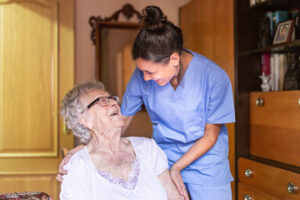
These senior services are designed to preserve their independence and dignity. They provide them with comfort and familiarity by allowing them to stay at home.
Personal care helps an elderly person maintain their independence, receive assistance with activities of daily living, and benefit from companionship and social interaction. It also contributes to their health and safety, reducing the risk of accidents, loneliness, and neglect. Personal care services are available at home or in residential facilities. In-home care is a popular option for many seniors because it allows them to stay in the comfort of their own homes while receiving help with essential tasks. This type of care can be arranged through private companies or through government programs like In-Home Supportive Services (IHSS), which provides services to over 700,000 Californians.
Caregivers can assist with a variety of personal care tasks, including bathing, grooming, dressing, and meal preparation. They can also help manage medications. This includes monitoring for adverse drug interactions, ensuring that prescriptions are dispensed at the correct time, and keeping track of when it’s time to renew their medication. Caregivers can be especially helpful for older adults who have difficulty managing their own medications because of forgetfulness, impaired vision and dexterity, or complex medical regimens.
Another benefit of personal care is the emotional support and companionship that it can provide. This is important for elderly people who live alone, as loneliness can lead to depression and anxiety. A caregiver can offer a friendly face and someone to talk to throughout the day, which can improve an elderly person’s quality of life. When it comes to choosing the best personal care options for you or your loved one, it’s important to consider all of the options and consult with family members or friends. This will ensure that the chosen care plan meets your needs and preferences.
Meal Preparation
Meal preparation is a key part of caring for an elderly person. It provides an opportunity for caregivers to build a strong connection with their loved ones and provide them with tasty, nutritious meals. Incorporating meal prep into the caregiving journey can also boost a senior’s confidence, self-esteem, and overall well-being.
Caregivers must carefully consider dietary needs and restrictions when preparing meals for their loved ones. This may include incorporating low-sodium options for those with health conditions such as high blood pressure, or using soft or pureed foods for those with swallowing difficulties.
To maximize the nutritional value of a meal, it is best to include a mix of food groups, such as fruits, vegetables, grains, lean proteins, and dairy products. Incorporating a range of textures, including soft and crunchy elements, can add appeal to a meal as well. Caregivers should explore various cooking methods to preserve the nutrient content of ingredients, such as steaming or sauteing vegetables over low heat, and seasoning dishes with herbs, spices, and healthy oils.
When preparing a meal, it can be helpful to double up on recipes, and then freeze the leftovers. This can be a convenient way for a family to share the cost of preparing meals for their senior loved one. Similarly, setting aside a day once or twice per week to prepare freezer meals can make the task of cooking for an elderly person much easier.
Incorporating some advanced ingredient prep into the recipe planning process can also be an effective way to save time during meal preparation. Taking the time to peel, chop, and marinate ingredients in advance can help to reduce the cooktime required for a meal.
Housekeeping
Keeping the living environment clean and organized can significantly enhance an elderly person’s quality of life. In addition to reducing the risk of accidents, a well-maintained home also improves respiratory health and reduces allergens that can cause health problems for seniors.
Caregivers can help their elderly care recipients keep their homes clean by establishing a schedule and breaking tasks into manageable chunks. They should also use cleaning products that are safe for the care recipient, and be mindful of any dietary restrictions or sensitivities. They should also wash their hands frequently and sanitize high-touch surfaces.
Light housekeeping helps seniors preserve their dignity and sense of control over their own homes, encouraging them to remain active and engaged in daily life. It also ensures that they have clean clothes to wear and can entertain friends and family in their homes. Caregivers can also help their elderly care recipients establish a healthy and balanced diet by making nutritious meals and snacks and ensuring they have easy access to clean water.
One of the most important roles of caregivers is to provide emotional support. Having someone to talk to and laugh with can be a big boost to a senior’s mood. They can also offer a helping hand in times of crisis, which is especially helpful for individuals suffering from mental health issues.
Providing light housekeeping assistance can help elderly individuals maintain a social connection and reduce their feelings of loneliness. Caregivers can help them declutter their homes, do laundry, run errands, and even prepare meals. They can also encourage their loved ones to maintain a social calendar and visit friends and family. They can also assist with medication reminders and help them with basic hygiene tasks, such as showering and bathing.
Transportation
Elderly individuals face a range of challenges as their mobility declines, and often find it difficult to get around. Transportation services that cater to their needs help them maintain social connections, and access to medical appointments, family members, and errands. This way, they can continue to lead fulfilling lives and manage their own affairs without relying on family members.
Specialized elderly transport services can be beneficial to aging adults with various disabilities and impairments, including those who cannot stand or walk, and those who are unable to drive due to illness or injury. These services offer door-to-door assistance, and are equipped with facilities like wheelchairs and stretchers. They also employ qualified drivers who undergo rigorous training in healthcare standards, CPR, HIPAA, and sensitivity.
In addition to medical appointments, elderly transportation services can also be used to run errands, grocery shopping, and trips for lunch with friends. These trips keep seniors engaged in their community and allow them to live an independent life without having to rely on others for transport.
Caregivers can help their aging loved ones find the best senior transportation service by connecting them with caregiver support professionals at area agencies on aging, centers for independent living, and human service agencies. They can also provide the elderly person with an inventory of available transportation options, including their cost and eligibility requirements. Then, they can use this information to create a transportation support plan for their aging loved one.
Companionship
Companionship is a crucial aspect of elderly care that helps seniors combat feelings of loneliness and isolation. When a senior loses friends and family members, moves into a retirement home, or faces physical limitations that prevent them from getting out and about, they may feel disconnected from their community. A companion’s consistent presence and engagement in activities with them can help to alleviate these feelings of loneliness and depression, while also stimulating their cognitive functions.
In addition, a companion can encourage an elderly person to engage in their favorite hobbies or activities that they might not have done for some time. By doing this, they can offer a sense of purpose to their life and provide them with the emotional support needed to cope with any loss or changes in their lifestyle.
Studies show that without a social support network, lonely elderly adults are more likely to develop mental health problems such as depression, anxiety, or even suicidal thoughts. Those who regularly spend time with a care partner are less likely to experience these issues and tend to have higher levels of life satisfaction, meaning that their lives have more meaning and purpose.
Additionally, a companion can assist with managing medications and ensure that an elderly individual is taking their prescribed drugs at the right times. This can prevent any health complications that could result from missing or overdosing on medication. Moreover, they can keep their family members updated on their loved one’s condition, which can relieve the burden of family caregivers and help them take some time for themselves. This is a vital part of elderly care as it allows them to maintain their work, career, and personal lives while knowing that their loved one’s care needs are being met.
Visit our Professional Services Blogs
Chris Atkins Lawncare, Atticus Landscaping, Treasure Coast Pressure Wash, Gulf Beach Plumbing, Marlborough Plumbing, Guns And Hoses Pressure Washing, Ambrose Construction, Coral Gables Pressure Washing, Willco Photography, Roofing Akron, Danalogsdon Roofing El Cajon, EC Siding Roofing Windows, Aurora Gutter, American Insurance Source, ECO, etdn, Denison Service League, Roofing Blog, Atlantic Vinyl Windows, Brookshires Fireplaces, JD Advanced Remodeling, Product Judgment, Master Dry Foundation Repair, Moe’s Hip, Elta Patio Paramount, Rock Around The Clock Festival, Learn, Play, Beyond, MoralesT Gardening, Car Window Tinting Perth, Duncan Carpentry, Gatestone Lighting, Mid Missouri Mold Inspections, Stucco Repair Albuquerque, Wausau Siding Hire, Munster Tree Care, Blue Granite Homes, Custom House, CENTRAL OS, Atlanta Pavers, Phillips Law Firm, Brent Ryder Masonry, Walker Construction Drywall Division, RJ Law, Caledon Plumbing, DDS Tech USA, Maine Mortgage Services, Inckpen, Seasons at Rose Creek, Cottonwood Place Dental, Cosmetic Laser 2000