A home should be a place where you feel comfortable, safe, and relaxed, but unwanted pests can quickly change that feeling. A few ants around the kitchen, insects near windows, or signs of rodents in hidden areas may seem like minor inconveniences at first. However, pest activity can grow over time, potentially causing property damage, contaminating food, and creating an uncomfortable living environment.
Effective pest control in a home involves more than eliminating pests after an infestation appears. It requires identifying the source, addressing conditions that attract pests, applying appropriate treatments, and taking preventive measures to reduce the chance of future problems. For more details, visit https://www.benspest.biz/.
Why Pest Control Is Important in a Home
Pests can enter homes through surprisingly small openings and may remain hidden for long periods before their presence becomes obvious. Insects and rodents can move through cracks, gaps around doors and windows, wall cavities, roof spaces, and other concealed areas. Once inside, they may find food, water, shelter, and suitable places to reproduce. This can allow a small pest problem to become a larger infestation if it is not addressed.
Pest control also helps protect the condition of a home. Certain pests can damage wood, insulation, wiring, stored belongings, and other materials. Some pests may also contaminate surfaces and food with droppings, body parts, or other debris. Addressing pest activity early can help reduce the potential for these problems. A consistent approach to pest prevention can also make the home less attractive to unwanted insects and animals.
Common Areas Where Pests Enter
Understanding how pests enter a home is an important part of prevention. Doors and windows can provide access when screens are damaged or gaps are present around frames. Cracks in exterior walls, openings around pipes, vents, utility lines, and foundation gaps can also create entry points. Even very small openings can be enough for certain insects and rodents to gain access.
The roof and upper sections of a home should not be overlooked. Damaged roofing materials, vents, openings, and gaps around other exterior features can provide access to attic spaces. Once pests enter these areas, they may move into other parts of the home through walls and ceilings. Regularly checking the exterior for openings and repairing damaged areas can help reduce the opportunities pests have to enter.
Keeping the Kitchen Free From Pests
The kitchen is one of the most attractive areas for many household pests because it commonly provides food and water. Crumbs, spills, uncovered food, overflowing trash, and dirty dishes can create opportunities for pests to feed. Even small amounts of food left on countertops or floors can attract insects. Maintaining good kitchen hygiene is therefore an important part of pest prevention.
Food should be stored in suitable sealed containers, particularly items that are frequently targeted by insects. Counters and floors should be cleaned regularly, and spills should be addressed promptly. Trash should also be managed properly to prevent odors and food waste from attracting pests. Keeping sinks and other areas dry when possible can further reduce access to water.
Managing Moisture Around the Home
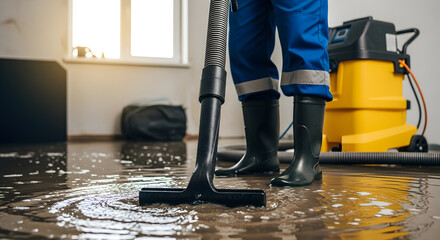
Moisture can attract many different types of pests. Leaking pipes, dripping faucets, damp basements, clogged drainage areas, and standing water can create conditions that support pest activity. Some insects are particularly attracted to damp environments, while moisture can also contribute to conditions that make a home more comfortable for other unwanted organisms.
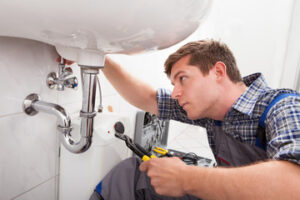
Homeowners should regularly inspect areas where water may accumulate or escape. Plumbing leaks should be addressed promptly, and areas that remain consistently damp should be evaluated. Proper ventilation in bathrooms and other moisture-prone spaces can also help reduce excess humidity. Managing moisture is an important part of creating an environment that is less favorable to pests.
Protecting the Home From Rodents
Rodents can cause significant problems when they gain access to a home. They may chew through certain materials, contaminate areas with droppings, and create nests in hidden spaces. They can also move through wall cavities and other areas that are difficult to inspect. Signs of rodent activity may include droppings, gnaw marks, scratching sounds, nesting materials, or damaged food packaging.
Preventing rodent access starts with identifying and addressing entry points. Gaps around doors, pipes, vents, and other openings should be inspected carefully. Food should be stored securely, and waste should be managed properly. Clutter should also be reduced in storage areas because piles of materials can provide hiding and nesting opportunities.
Managing Ants and Other Insects
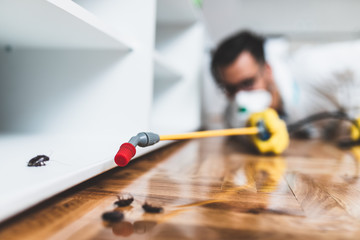
Ants, cockroaches, flies, and other insects can become common household pests when conditions are favorable. They may enter through cracks, openings, windows, doors, and other access points. Some insects are attracted by food residue, moisture, garbage, or other organic materials. Understanding what is attracting the insects can help homeowners address the underlying cause.
Cleaning alone may not always solve an established infestation. Some insects create nests or colonies in hidden locations, making it difficult to eliminate the entire population by treating only the insects that are visible. Identifying where the insects are coming from can provide valuable information about the most appropriate control strategy. Preventive measures should then be used to reduce future access and food sources.
Protecting Wood From Damaging Pests
Certain pests can cause damage to wooden components of a home. Signs of potential wood-damaging pest activity can include hollow-sounding wood, damaged surfaces, discarded wings, small openings, or unusual debris near wooden structures. Problems can sometimes develop in hidden areas before visible damage becomes obvious.
Regular inspections of vulnerable areas can help homeowners identify concerns earlier. Moisture management is also important because damp wood can create favorable conditions for certain pests. Any suspected wood damage should be evaluated carefully to determine the cause. Addressing the problem early can help protect the structural components and reduce the possibility of extensive repairs.
The Role of Professional Pest Control
Some pest problems can be managed through cleaning, exclusion, and preventive maintenance, but established infestations may require professional attention. Professional pest control can involve a detailed inspection to identify the pest, determine the extent of activity, and locate possible entry points or attractants. The treatment approach can then be selected based on the specific conditions of the home.
Professional treatment may involve targeted applications, traps, baiting methods, exclusion work, or other appropriate techniques. The goal should be to address the pest problem while considering the safety of household members and pets. Following treatment instructions carefully is important because some pest control methods may require temporary restrictions on access to treated areas.
Preparing a Home for Pest Treatment
Proper preparation can help make pest control more effective. Depending on the type of pest and treatment being used, homeowners may need to clean specific areas, remove exposed food, organize storage spaces, or provide access to locations where pest activity has been identified. Preparation requirements can vary, so homeowners should understand what needs to be done before treatment begins.
Reducing clutter can be especially useful because pests may hide behind stored items or inside crowded areas. Cleaning food residue and removing unnecessary sources of water can also support the treatment process. When accessible areas are properly prepared, it can become easier to identify and address pest activity.
Preventing Pests From Returning
Prevention is one of the most important aspects of long-term pest control in a home. After an infestation has been treated, homeowners should focus on reducing the conditions that allowed the pests to become established. Sealing cracks, repairing damaged screens, maintaining doors and windows, and addressing exterior openings can help reduce future entry.
Outdoor maintenance can also influence pest activity indoors. Overgrown vegetation, accumulated debris, standing water, and poorly maintained drainage areas may create conditions that encourage pests to remain close to the home. Keeping the surrounding area clean and well maintained can reduce potential hiding and breeding areas. Prevention works best when it becomes part of regular home maintenance rather than something done only after an infestation appears.
Regular Home Inspections and Maintenance
Regular inspections can help identify pest problems before they become severe. Homeowners should pay attention to unusual sounds, damaged materials, droppings, nests, insect trails, and other signs of activity. Areas that are rarely visited, such as attics, crawl spaces, storage areas, and utility spaces, should not be ignored.
Maintenance should also include checking for leaks, repairing cracks, replacing damaged screens, and keeping drainage systems clear. These simple actions can reduce opportunities for pests to enter and establish themselves. A proactive approach can be more manageable than waiting until a visible infestation develops. Regular attention also gives homeowners a better understanding of the condition of their property.
Final Thoughts
Effective pest control in a home requires a combination of prevention, observation, maintenance, and appropriate treatment. Keeping kitchens clean, managing moisture, protecting entry points, storing food properly, and maintaining the surrounding property can reduce many of the conditions that attract pests. When infestations become established, identifying the pest and its source is essential for choosing an effective approach. Professional assistance may be appropriate for persistent or extensive problems, particularly when pests are hidden or causing property damage. By making pest prevention part of regular home care, homeowners can create a cleaner, more comfortable, and better-protected living environment.